AI Overview
South and North Indian diets are both nutritionally sound, but they differ in structure — especially in staple grains, cooking styles, and macronutrient balance. South Indian meals are typically rice-based with fermented foods, while North Indian diets lean more on wheat, dairy, and richer preparations. This comparison looks at key factors like fibre, protein, and glycemic impact to help determine which approach aligns better with specific health goals.
Understanding the Basics of Both Diets
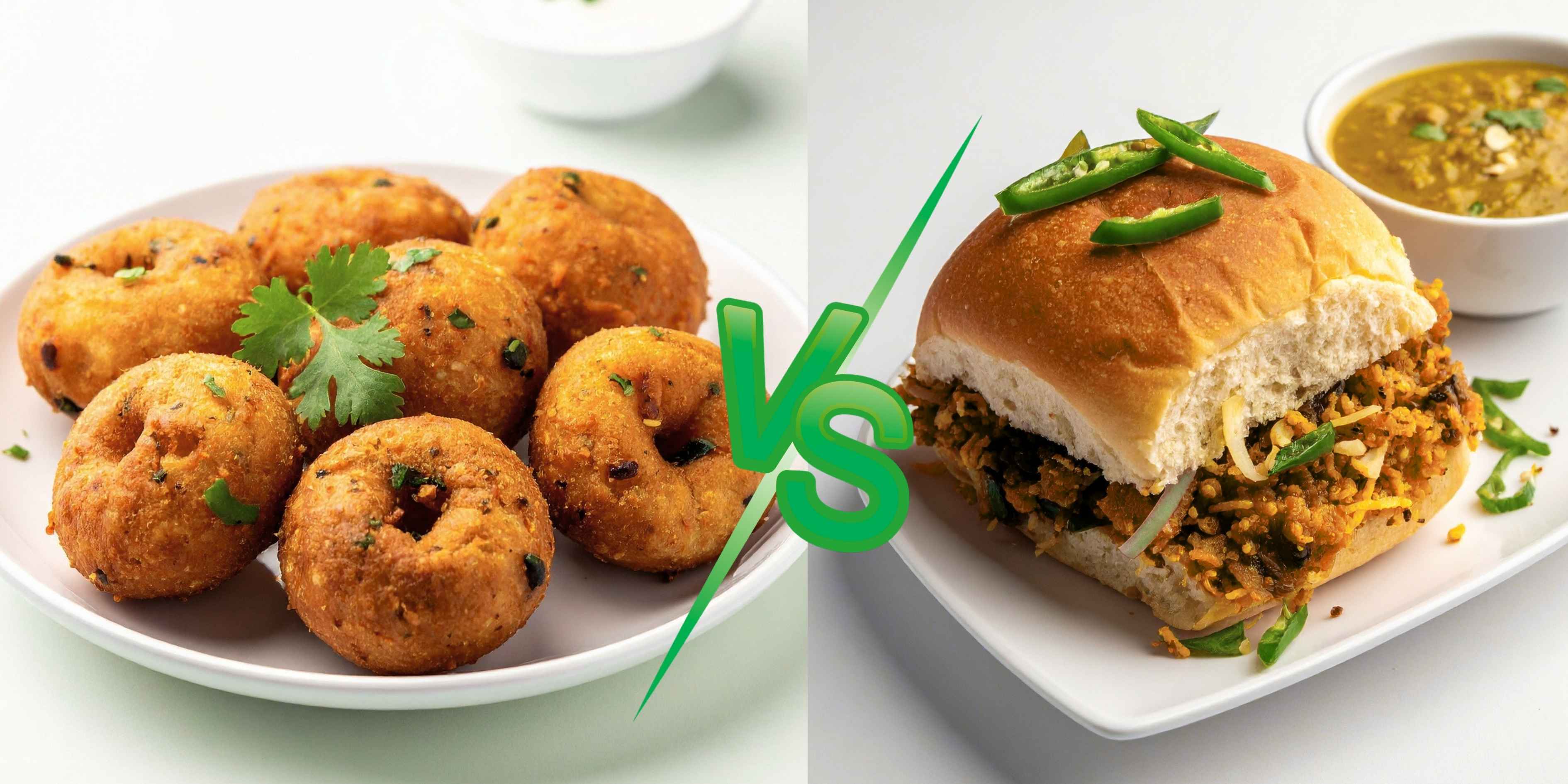
The "South vs North Indian diet" debate usually gets reduced to rice vs roti or idli vs paratha — which is a shallow way to look at it. The real issue isn't which region eats healthier. It's about how the diet is structured and how it fits your body, routine, and goals.
Both diets can be well-balanced and nutrient-dense — or heavy, calorie-dense, and poorly optimized. The outcome depends entirely on how they're followed, not where they come from.
South Indian Diet (How It Really Looks Daily)
This diet is built around rice, but more importantly, around how the food is prepared. Typical plate includes:
- Rice as the base
- Idli, dosa, or appam (often fermented)
- Sambar and rasam (lentil-based, lighter consistency)
- Coconut chutneys
What actually defines it isn't just rice — it's the cooking approach: more steaming than frying, heavy use of fermentation (gut-friendly, easier digestion), and generally lighter, easier on the stomach.
North Indian Diet (How It Actually Works Daily)
This one revolves around wheat and denser meals that are built to keep you full longer. Typical plate includes:
- Roti or paratha as the base
- Dal and sabzi
- Paneer-based dishes
- Dairy like curd and ghee
The real difference shows up in preparation: more use of oil, butter, or ghee; heavier gravies and richer textures; and higher calorie density per meal.
Macronutrient Reality: Rice vs Roti Diets
Rice and wheat don't behave the same once you eat them:
- Rice — digests faster, spikes blood sugar quicker, gives immediate energy
- Roti (wheat) — digests slower, releases energy steadily, keeps you full longer
But here's where people get it wrong: this doesn't automatically make one "better." Because your outcome depends on portion size, what you eat with it (protein, fiber, fat), and your activity level.
A plate of white rice with no protein? Bad idea. A plate of roti drowned in butter and heavy gravy? Same problem. So the real comparison isn't rice vs roti — it's how intelligently the entire meal is built.
Macronutrient Breakdown
| Component | South Indian Diet (Rice-Based) | North Indian Diet (Roti-Based) |
|---|---|---|
| Carbohydrates | High | Moderate |
| Protein | Moderate (dal, sambar) | Moderate to High (dal, paneer) |
| Fats | Moderate (coconut-based) | Higher (ghee, oil) |
| Fiber | Moderate | Higher (whole wheat) |
| Glycemic Load | Higher | Lower |
Where Most People Go Wrong
The biggest mistake is thinking the staple decides the outcome. It doesn't. Quantity does.
Another issue is imbalance. Meals often lean too heavily on carbs, with not enough protein to support satiety or muscle health.
On top of that, cooking habits quietly increase calories — extra oil, ghee, and rich gravies add up fast without being noticed. And finally, vegetables are treated as a side, not a core part of the meal, which reduces fiber and overall nutritional quality.
Once you fix these basics, the diet itself stops being the problem.
Final Verdict
There's no clear winner here. Both South and North Indian diets can either support your health or work against it. What actually decides the outcome is how you manage portions, how you cook your food, and whether your meals are balanced. Not the region, not the staple.
Frequently Asked Questions
Is rice worse than roti for weight loss? No. Weight loss depends on calorie intake, not just the type of carbohydrate.
Which diet has more protein? North Indian diets may have slightly more due to paneer and dairy, but both can be low if not planned properly.
Is South Indian food healthier overall? It can be, due to lighter cooking and fermentation, but it still depends on portion size and oil usage.
Can I mix both diets? Yes. Combining elements from both diets often creates a more balanced and sustainable approach.