AI Overview
Staying fit doesn't require a gym membership, expensive equipment, or complicated routines. For Indians balancing busy schedules, long commutes, and inconsistent lifestyles, a structured home workout plan can be the most practical solution. This guide breaks down a simple, effective, and culturally adaptable fitness routine that uses bodyweight exercises, minimal space, and zero equipment.
Key Takeaways
- You don't need a gym — consistency beats equipment every time
- Bodyweight exercises are enough to build strength and burn fat
- Indian lifestyles demand flexible, short, effective routines
- Diet + movement together drive results, not workouts alone
- 30–40 minutes daily is sufficient if done with intensity
- Tracking progress matters more than chasing perfection
Why Home Workouts Actually Work (If Done Right)
Most people don't fail because of lack of gyms. They fail because of inconsistency and poor structure.
Home workouts remove friction:
- No travel time
- No waiting for equipment
- No excuses
But here's the catch — random YouTube workouts won't cut it. You need structure, progression, and intent.
Here's what actually makes home workouts effective:
- Consistency becomes non-negotiable. When your workout space is your home, skipping requires a conscious decision, not an external excuse. That shift alone increases adherence more than any fancy program ever will.
- You train more frequently, not just harder. Gym-goers often burn out trying to "go all in" 3 times a week. At home, shorter and more frequent sessions create better long-term results. Frequency beats occasional intensity.
- Focus improves without distractions. No socializing, no waiting, no noise — just you and the workout. This leads to better mind-muscle connection and more efficient sessions.
- Progression is simpler than you think. You don't need heavier weights to improve. You can increase reps, slow down tempo, reduce rest time, or add extra rounds. Most people ignore these variables — that's why they plateau.
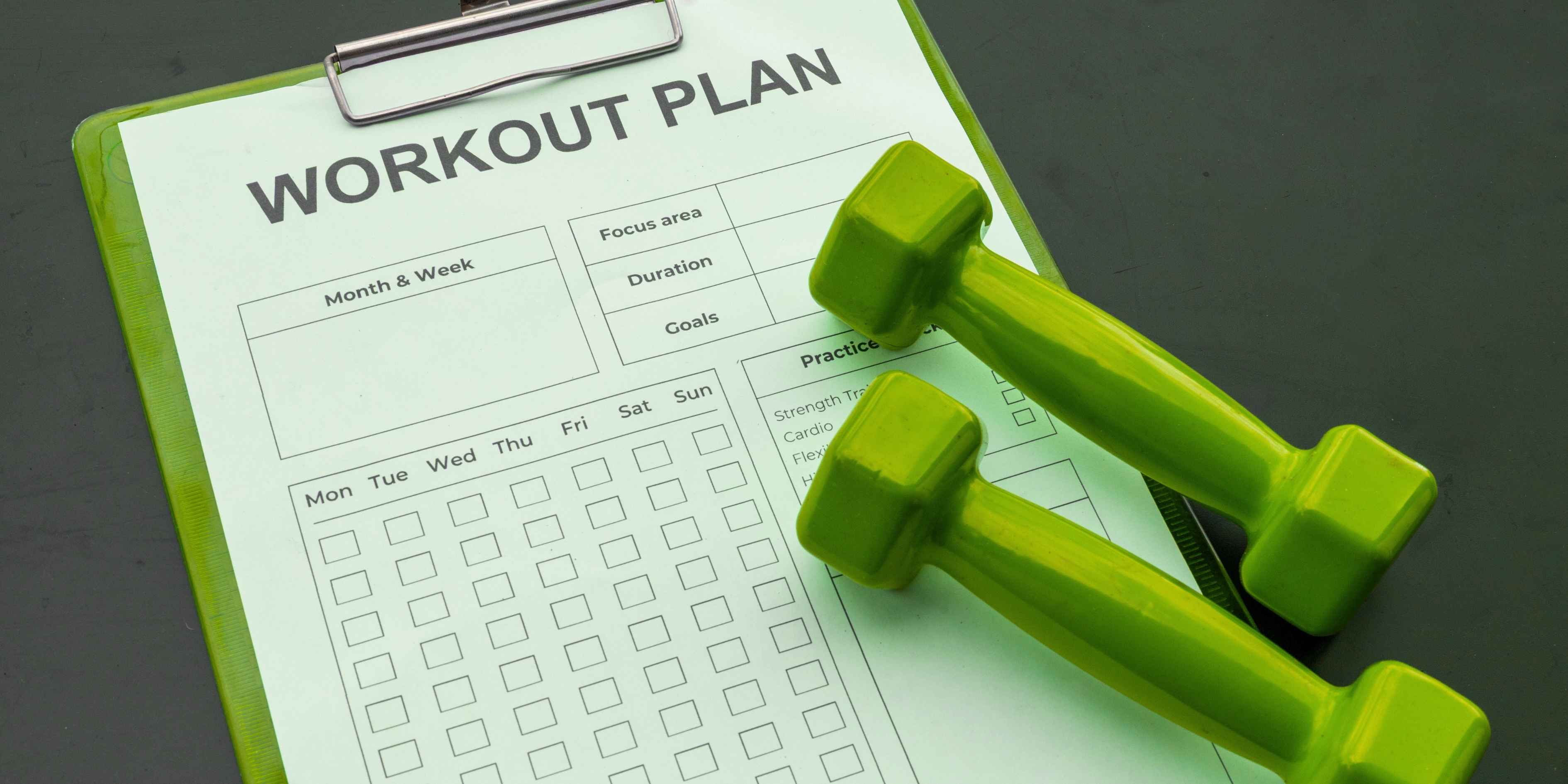
Weekly Home Workout Plan (No Equipment)
This plan is built for fat loss + strength + stamina. Each day has a purpose: some build strength, some burn fat, and others help your body recover so you don't burn out.
| Day | Focus Area | Workout Type | Duration |
|---|---|---|---|
| Monday | Full Body | Strength + Cardio Mix | 35 min |
| Tuesday | Lower Body | Legs + Core | 30 min |
| Wednesday | Active Recovery | Walking + Mobility | 25 min |
| Thursday | Upper Body | Push + Pull Focus | 30 min |
| Friday | Full Body HIIT | High Intensity Intervals | 25 min |
| Saturday | Core + Cardio | Abs + Fat Burn | 30 min |
| Sunday | Rest | Light Stretch / Walk | — |
Full Body Routine Breakdown
Monday and Friday focus on full-body circuits — squats, push-ups, lunges, planks, and jumping jacks — to maximize calorie burn and train multiple muscle groups together. Keep intensity high, rest minimal, and complete 3–4 rounds.
Tuesday shifts to lower body strength with controlled, higher-rep movements like squats, glute bridges, step-ups, and wall sits to boost metabolism and build a solid base.
Thursday and Saturday balance the plan with upper body and core work. Exercises like incline push-ups, dips, shoulder taps, planks, and mountain climbers improve strength and stability. Focus on form over speed, stick to 3–4 rounds, and keep the sessions tight and consistent for best results.
Lower Body Strength (Tuesday)
This day builds your foundation — strong legs directly improve calorie burn and overall strength.
Focus on controlled movements like squats, glute bridges, step-ups, and wall sits. Higher reps and steady tempo matter more than speed here. Aim for at least 3 solid rounds with minimal rest to keep the intensity up.
Upper Body Focus (Thursday)
Skipping the upper body is a common mistake, and it shows in weak overall strength. Use simple movements like incline push-ups, shoulder taps, tricep dips, and arm circles to target your chest, shoulders, and arms.
Keep your form tight, stay consistent, and complete 3 rounds without dragging the workout.
Core + Fat Burn (Saturday)
This isn't about doing endless crunches — it's about control and stability. Combine planks, bicycle crunches, leg raises, and mountain climbers to engage your entire core while keeping your heart rate elevated.
Move with precision, not speed, and complete 3–4 rounds for an effective finish to the week.
Active Recovery (Wednesday & Sunday)
This is where most people go wrong — they either skip recovery or treat it like another intense workout. Both kill progress. Recovery days are meant to keep you moving without stressing your body.
Stick to simple activities like 20–30 minutes of walking, light stretching, and basic mobility work. This helps reduce soreness, improve flexibility, and keeps your routine sustainable. Ignore recovery, and your performance will eventually drop.
What Most Indians Get Wrong About Fitness
Workouts alone won't fix your body — that's the harsh truth. Many people overeat "healthy" foods without tracking calories, ignore protein intake, and follow random workouts with no structure.
On top of that, unrealistic expectations lead to quitting early. Results don't come from short bursts of effort — they come from consistent habits. If your diet and routine aren't aligned, progress will always stall.
Progression Strategy (This Is Where Results Happen)
Doing the same workout every week leads to zero progress — it's that simple. Your body adapts quickly, so you need to push it slightly further over time. Increase reps, add an extra round, or reduce rest periods each week.
These small adjustments force your body to improve without overwhelming you. Real transformation doesn't come from drastic changes — it comes from steady progression done consistently.
Sample Daily Routine Structure
| Time | What to Do |
|---|---|
| Morning | 30–40 min workout |
| Afternoon | Normal routine |
| Evening | 20 min walk |
| Night | Light stretching |
The goal: stay active across the day, not just during workouts.
Calorie Targets for Indians
This is where most people fail — not in workouts, but in understanding how much they're actually eating. Indian diets are naturally carb-heavy, and even "healthy" foods can push you into a calorie surplus without you realizing it. If your intake isn't controlled, fat loss simply won't happen, no matter how hard you train.
| Lifestyle | Daily Calories |
|---|---|
| Sedentary | 1,400–1,600 kcal |
| Moderately Active | 1,600–1,900 kcal |
| Active | 1,900–2,200 kcal |
These ranges aren't strict limits — they're starting points. The real goal is to stay in a slight calorie deficit while keeping your energy levels stable.
- Protein matters more than you think: Aim for 0.8–1g per kg body weight to support muscle and recovery
- Control, don't restrict: Eat slightly less than you burn, not drastically less
- Avoid extremes: Crash diets slow metabolism, reduce strength, and lead to rebound weight gain
The Real Secret: Sustainability Over Motivation
Motivation is unreliable — it comes and goes. If your entire routine depends on feeling motivated, you'll quit the moment it drops. What actually works is building a system you can follow even on low-energy days.
What doesn't matter:
- Fancy workout plans
- Expensive supplements
- "Perfect" diets you can't maintain
What actually matters:
- A routine you can repeat without thinking
- Basic discipline to show up daily
- Realistic expectations about time and results
Consistency isn't exciting — but it's the only thing that works.
Conclusion: Stop Waiting, Start Moving
The biggest excuse isn't lack of time — it's poor priority. You don't suddenly "find" time for fitness; you decide to use it better. Most people delay starting because they're waiting for the perfect moment, but that moment doesn't exist.
This plan removes all the usual barriers — no gym, no equipment, no complex setup. What's left is simple: showing up and doing the work.
You don't need more information. You need action. Start small, stay consistent, and let results build over time.